Vietnamese Cuisine: Ingredient Drama!
Jay Nguyen
4/18/20252 min read
🌿 The Soul of Vietnamese Food
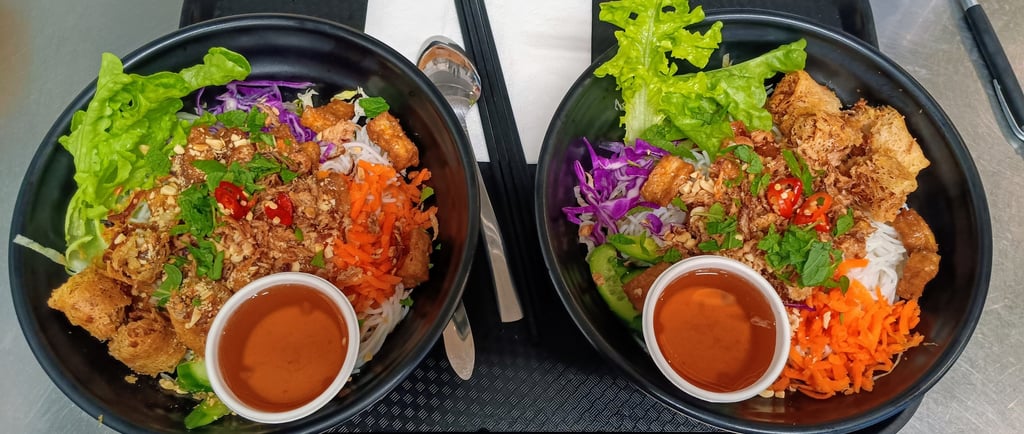
First, the good stuff. Vietnamese cuisine is like a symphony composed by your taste buds and a Zen master. It’s all about balance: hot and cool, sweet and sour, crispy and tender. Every bite aims to tickle all five senses—yes, even hearing.
Key Characters in the Vietnamese Flavor Parade:
Fish sauce (nước mắm): The MVP. Salty, funky, divine. If you don’t like it, you’ll learn to.
Fresh herbs: Mint, Thai basil, perilla, coriander… a leafy explosion in your mouth.
Rice: In every form possible—noodles, paper, porridge, pancakes.
Meat & seafood: Pork and shrimp are the Taylor Swift of Vietnamese protein.
Vegetables: Pickled, raw, stir-fried—Vietnamese people love a good crunch.
💥 But Wait—Ingredients Can BEEF?!
Let’s talk about the gossip in grandma’s kitchen: the forbidden combos. These aren’t just flavor faux pas—they come from generations of beliefs, health advice, and old-school wisdom. Whether it's science, tradition, or myth, these pairings are considered a big no-no by many Vietnamese households:
🥚 Eggs + Tofu = Calcium Chaos?
Both are protein-rich and seem innocent enough, right? But some believe this combo reduces calcium absorption. Grandma says you’ll “waste the goodness” if you mix them. Still tasty? Sure. Nutritious? Debatable.
🦐 Shrimp + Vitamin C = Toxic Trouble?!
This one’s more folklore with a splash of chemistry: it’s said eating shrimp with vitamin C (like oranges) can lead to poisoning because of arsenic in shrimp. The science is sketchy on this, but if you’re superstitious—or have a shrimp allergy—maybe don’t chase that gỏi cuốn with a glass of OJ.
🐟 Crab + Spinach = Digestive Disaster
Ever had crab soup (canh cua)? Delicious. Add spinach? Uh-oh. Many Vietnamese say this duo is a tummy ache waiting to happen. The combo is believed to be “cold on cold” (hàn tính), leading to indigestion or worse.
🍍 Pineapple + Milk = Stomach Storm?
Pineapple’s bromelain enzyme + milk = possible curdling, especially if your stomach’s sensitive. Is this a food chemistry class or lunch? Both, apparently.
🧙♀️ The Magic of Timing & Yin-Yang Vibes
Vietnamese food isn’t just about what’s on the plate—it’s when, where, and why you eat it. There’s a big focus on "âm-dương" (Yin and Yang)—the idea that food has hot or cold properties (not about temperature, but energy). You balance them for health and harmony.
For example:
Feeling cold? Eat ginger (hot).
Got a fever? Eat mung bean soup (cool).
Had a breakup? Eat phở (obviously).
🔥 Conclusion: It’s Complicated but We Love It
Vietnamese cuisine is like your favorite drama series—full of bold personalities, surprising twists, and questionable relationships between ingredients. But that’s what makes it exciting. Whether you’re slurping a bowl of bún bò Huế or grilling lemongrass pork, you’re diving into a culture that’s rich, vibrant, and slightly spicy in every way.
So next time someone warns you not to mix shrimp and oranges, just smile, nod, and reach for another spring roll. Life’s too short not to enjoy the flavor chaos.